Low-Calorie Gut Health Drinks: A Doctor’s Guide to Choosing Wisely

Dr. Chomba Chuma, MD, Founder, Velobiotics
2026-10-23T13:07:58+02:00 · 13 min read
First published on the Velobiotics blog.
In this article
A low-calorie gut health drink is a beverage that provides relatively little energy while offering ingredients such as fibre or live cultures. The label can tell you what is in the can, but it cannot promise a digestive or weight outcome. Compare serving size, calories, added sugar, fibre and culture information, then choose a drink that fits your preferences and tolerance.
Key takeaways
- “Low calorie” describes energy content, does not by itself describe an effect on weight or digestion.
- Check the serving size first. A bottle may contain more than one serving.
- Added sugars, fibre quantity and sweeteners can matter as much as the calorie figure.
- Probiotics and prebiotics are different categories; a synbiotic combines them, but does not predict a personal result.
- Water and a varied diet remain useful foundations. A functional drink is optional.
- Persistent or severe digestive symptoms deserve clinical assessment rather than a beverage experiment.
What does “low calorie” actually tell you?
When someone asks me for a low-calorie drink that is “good for the gut,” I start by separating two ideas that often get bundled together. Calories measure energy. “Gut health” is a much broader phrase, and it can refer to digestion, bowel habits, the gut microbiome or simply how comfortable someone feels after eating. One number on the front of a can cannot answer all of those questions.
A calorie figure is most useful when you compare like with like. Look at the serving size printed beside it, then check whether the package contains one serving or several. If the label lists nutrition per 100 ml, calculate the amount you actually drink. Front-of-pack claims can be useful shortcuts, but the full nutrition panel is where the serving context lives.
It also helps to distinguish total sugars from added sugars where the label provides both. A drink can have few calories and still be sweetened, while another can contain naturally occurring sugars from ingredients. The US Food and Drug Administration’s guide to added sugars explains how added sugars appear on its Nutrition Facts label. Rules and label layouts differ by market, so use the panel on the product in front of you.
The World Health Organization’s healthy-diet overview emphasizes dietary patterns, including variety and moderation, rather than a single “good” or “bad” food. That is a more useful frame for drinks too. A beverage can fit into a balanced routine without being a health treatment, and a low calorie count does not make the rest of someone’s diet irrelevant.
How to compare drinks without getting lost in the claims
I suggest a short, repeatable label check. First, confirm serving size and calories for the amount you actually plan to drink. Second, check sugars and, when available, added sugars. Third, consider fibre and sweeteners. Finally, if the drink promotes live cultures, look for more than a large headline number: strain identification, the amount stated at the end of shelf life, storage instructions and a clear ingredient list are all useful context.
A drink with fibre may be a poor match for someone who is sensitive to that particular fibre or to a sudden increase in intake. Some fermentable fibres can contribute to gas for some people. That does not make fibre inherently harmful; it means the amount, source and individual context matter. If you have a sensitive bowel or are following a clinician-guided diet, use that plan rather than assuming every fibre-containing drink will suit you.
Sweetness is another personal and practical issue. Some people prefer unsweetened drinks; others are looking for a familiar sweet taste with less sugar. Non-sugar sweeteners are not all the same, and evidence or regulatory conclusions about one ingredient should not be casually generalized to every sweetener. If you have a specific concern, check the actual ingredient list and seek guidance from a registered dietitian or clinician.
Think about the role of the drink. Is it mainly for hydration, a meal pairing, a flavour change, or a source of a particular ingredient? That question can reduce the pressure to find one beverage that does everything. Water, plain sparkling water, unsweetened tea and coffee, and milk or fortified alternatives can all have a place depending on the person and situation.

What do prebiotics, probiotics and synbiotics mean?
The words on a functional beverage label refer to different things. Probiotics are live microorganisms that, when administered in adequate amounts, confer a health benefit on the host. The benefit depends on the strain and the evidence for a particular use. That definition does not mean every product containing live bacteria has been shown to help every consumer.
Prebiotics are substrates selectively used by host microorganisms that confer a health benefit. In everyday products they may include certain fibres. “Synbiotic” describes a product combining live microorganisms and substrates selectively used by host microorganisms. The term is not a shortcut to a proven personal outcome, and it does not tell you how you personally will feel after drinking it.
The International Scientific Association for Probiotics and Prebiotics consensus paper sets out a scientific framework for prebiotic definitions. For the probiotic definition and careful consumer context, see the ISAPP consensus statement in Nature Reviews Gastroenterology & Hepatology. These are definitions and evidence frameworks, not endorsements of a beverage or promise of a specific outcome.
One practical distinction is between a product’s composition and a health effect. A label may tell you that a can contains a stated quantity of fibre or live cultures. To establish an effect, research needs to examine the actual strain or formulation, dose, population and outcome. A result from a capsule or a different strain does not automatically transfer to a soda.
Is 30 calories automatically a better choice?
Not automatically. Thirty calories is a clear, useful number when comparing products, but the right choice depends on an individual’s overall needs, enjoyment and medical context. Some people choose lower-energy drinks because they prefer them. Others need more energy, have a different nutrition plan, or find that a particular product does not agree with them. A calorie figure cannot tell us which of those situations applies.
In South Africa, shoppers may compare familiar sweetened soft drinks, flavoured waters, sparkling water, tea and newer functional beverages in the same aisle. In Australia, the same decision may be framed around local front-of-pack information and different product formulations. Wherever you shop, compare the serving size and actual ingredient list rather than relying on an imported social media graphic or a claim written for another market.
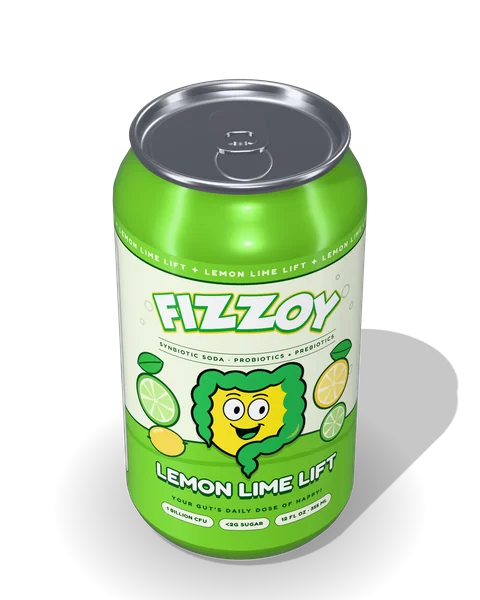
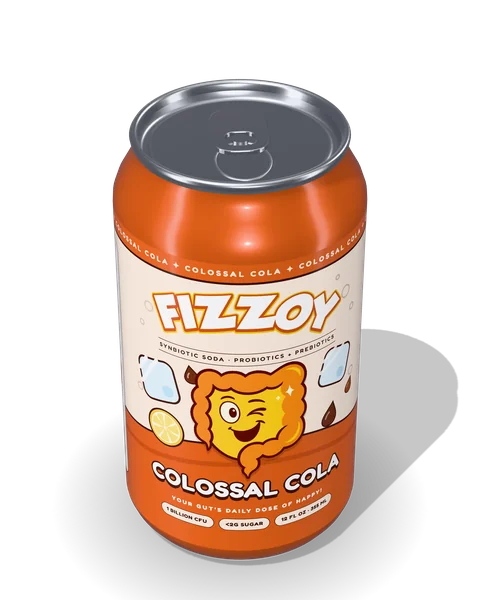
If a product states 30 calories per 355 ml can, read that as a composition fact for that product, not as a recommendation to drink it or an assurance that it changes body weight. Current product information lists 30 calories per 355 ml can, 3 g prebiotic fibre, less than 2 g sugar and 1 billion CFU live probiotics. It is in pre-launch development and is not on sale. Those specifications do not establish that the drink changes symptoms, body composition or disease risk.
A simple way to use the number is to compare the whole beverage as you consume it. If you pour two cans, the total is twice the per-can amount. If you drink half and save the rest, it is half, assuming you have measured the amount accurately. That sounds obvious, but the difference between “per serving” and “per container” is one of the most common sources of confusion in beverage comparisons.
What should I expect from a live-culture drink?
First, expect the label to describe a formulation, not a prediction of personal experience. The viable count, strains, manufacturing process and storage conditions all influence what is in the product when consumed. Some products use protective technologies to help cultures withstand processing or storage challenges. That can be relevant to product design, but it does not by itself establish a clinical benefit.
The product is described as the world's first SCO2 microencapsulated synbiotic soda. Its product information states that each 355 ml can contains 1 billion CFU live probiotics, 3 g prebiotic fibre, less than 2 g sugar and 30 calories. “SCO2 microencapsulation” refers to a delivery and protection approach in the product’s formulation. The responsible interpretation is that these are composition and technology descriptions, not evidence that an individual’s microbiome will change in a particular way.
If you want to examine the underlying technical explanation, read the product science overview and then look for the actual research cited there. Research conditions matter: laboratory survival, stability testing and human outcomes are not interchangeable. A study about a specific strain, capsule, dose or population cannot establish the same result for every beverage using a similar-sounding process. Review original research such as this PubMed-indexed trial record in its full formulation and population context.
Probiotic products are not automatically right for everyone. People with severe illness, substantial immune suppression or complex medical care should ask their clinician before introducing live-culture products. This is a cautious, individualized conversation, not a reason to assume ordinary food choices are unsafe for everyone else.
Build a sensible drink routine
Start with what you already drink and when. Someone who enjoys water most of the day but wants a flavoured option with lunch has a different question from someone who is using a drink to manage persistent symptoms. In the first case, taste, cost, availability and label details may be enough. In the second, a drink cannot replace assessment of what is causing the symptoms.
Try one change at a time if you are exploring tolerance. Keep the serving consistent for a few days, note any relevant symptoms and avoid simultaneously changing several foods, supplements and drinks. That does not create a diagnosis, but it can make your observations less confusing. If you are following a prescribed nutrition plan, check with the professional who is guiding it before adding a product that changes fibre or sweetener intake.
Choose a drink you can access and enjoy, not one that requires complicated rules. A glass of water remains a straightforward hydration choice. Unsweetened tea or coffee may suit some routines. A low-calorie functional drink can be an optional flavour or ingredient choice if its label fits your needs. The point is not to crown a winner for everyone; it is to make a decision with honest expectations.
For a quick check while shopping, ask four questions: What amount is one serving? How many calories and grams of sugar are in my portion? What fibre or sweetener does it contain? If it mentions live cultures, what specific details does the label provide? A few seconds with the panel is more reliable than a dramatic claim on the front of the can.

Red flags: when to speak to a clinician
Please do not use a beverage experiment to delay medical care for blood in your stool, unexplained weight loss, persistent vomiting, severe or worsening abdominal pain, difficulty swallowing, dehydration, fever with significant digestive symptoms, or a sustained change in bowel habits. The appropriate urgency depends on your symptoms and history. Seek urgent care for severe symptoms, and contact your doctor or pharmacist for symptoms that persist, recur or concern you.
If you have a diagnosed digestive condition, take medicines that affect digestion, or have been told to follow a specific dietary plan, ask your care team before making a substantial change to fibre or supplements. Bring the product label or ingredient list to the conversation. It is easier for a clinician to give relevant advice when they can see the actual formulation rather than a broad product category.
A final word from the clinic
A low-calorie gut health drink may be a reasonable preference, but it is not a shortcut to digestive health. Read the whole label, consider how the ingredients fit your routine, and separate product facts from promises about what will happen inside your body. A drink can be pleasant and convenient without needing to claim that it fixes anything.
For people comparing options, I would prioritize clear information, realistic descriptions, tolerability and affordability. Links to the science overview, our story, GutJoy, flavours, and frequently asked questions offer further product context. A useful beverage choice is one you understand and can enjoy as part of your wider pattern of eating and drinking. If symptoms are persistent or severe, the next step is a medical conversation, not a stronger marketing promise.
Frequently asked questions
What counts as a low-calorie drink?
There is no single definition that applies to every country or beverage category. Compare calories per serving and check whether the container holds more than one serving. A low-calorie label describes energy content, not whether a drink will change weight or improve health.
Can a low-calorie drink support gut health?
A drink can contain fibre or live microorganisms, but its label alone cannot show it will improve a particular person’s digestion. Look for clearly stated ingredients and realistic language. Overall dietary patterns matter more than one beverage.
How many calories are in this pre-launch product?
Current product information states 30 calories per 355 ml can, with 3 g prebiotic fibre, less than 2 g sugar and 1 billion CFU live probiotics. It is a pre-launch product, and those composition details are not evidence of a medical outcome.
Are probiotic or synbiotic drinks suitable for everyone?
Not necessarily. People with significant immune suppression, complex health conditions or specific dietary restrictions should discuss live-culture products with their clinician. Fibre can affect people differently, so check the label and consider your own tolerance.
Should I replace water with a functional soda?
No single beverage needs to replace water as your everyday hydration choice. A functional soda may be an occasional option if it suits your preferences and dietary needs, but it does not substitute for water, varied foods or medical advice.
People also ask
What counts as a low-calorie drink?
There is no single definition that applies to every country or beverage category. Compare the calorie amount per serving and check whether the container holds more than one serving. A low-calorie label describes energy content, not whether a drink will change weight or improve health.
Can a low-calorie drink support gut health?
A drink can contain fibre or live microorganisms, but its label alone cannot show that it will improve a particular person’s digestion. Look for clearly stated ingredients and realistic structure-function language, and remember that overall dietary patterns matter more than one beverage.
How many calories are in Fizzoy?
The current Fizzoy product information states 30 calories per 355 ml can, with 3 g prebiotic fibre, less than 2 g sugar and 1 billion CFU live probiotics. It is a pre-launch product, and those composition details are not evidence of a medical outcome.
Are probiotic or synbiotic drinks suitable for everyone?
Not necessarily. People with significant immune suppression, complex health conditions or specific dietary restrictions should discuss live-culture products with their clinician. Fibre can also affect people differently, so start with the product label and your own tolerance.
Should I replace water with a functional soda?
No single beverage needs to replace water as your everyday hydration choice. A functional soda may be an occasional option if it suits your preferences and dietary needs, but it does not substitute for water, varied foods or medical advice.

About the author
Dr. Chomba Chuma, MD · LinkedIn
Medical doctor with more than 25 years across clinical medicine, the pharmaceutical industry and nutritional science, and the founder of Velobiotics, the South African probiotics company behind ten specialist brands sold in South Africa, the United States and East Africa. Dr. Chuma writes to bridge the gap between laboratory research and everyday health decisions. His articles are educational and do not replace individual medical advice.
Ready to put your gut first?
1 billion live probiotics, 3 g prebiotic fibre, under 2 g sugar.
Questions, answered
What counts as a low-calorie drink?
There is no single definition that applies to every country or beverage category. Compare the calorie amount per serving and check whether the container holds more than one serving. A low-calorie label describes energy content, not whether a drink will change weight or improve health.
Can a low-calorie drink support gut health?
A drink can contain fibre or live microorganisms, but its label alone cannot show that it will improve a particular person’s digestion. Look for clearly stated ingredients and realistic structure-function language, and remember that overall dietary patterns matter more than one beverage.
How many calories are in Fizzoy?
The current Fizzoy product information states 30 calories per 355 ml can, with 3 g prebiotic fibre, less than 2 g sugar and 1 billion CFU live probiotics. It is a pre-launch product, and those composition details are not evidence of a medical outcome.
Are probiotic or synbiotic drinks suitable for everyone?
Not necessarily. People with significant immune suppression, complex health conditions or specific dietary restrictions should discuss live-culture products with their clinician. Fibre can also affect people differently, so start with the product label and your own tolerance.
Should I replace water with a functional soda?
No single beverage needs to replace water as your everyday hydration choice. A functional soda may be an occasional option if it suits your preferences and dietary needs, but it does not substitute for water, varied foods or medical advice.
*These statements have not been evaluated by the Food and Drug Administration. This product is not intended to diagnose, treat, cure or prevent any disease.