A Beverage Guide for GLP-1 Treatment: Hydration, Bubbles and Realistic Expectations

Dr. Chomba Chuma, MD, Founder, Velobiotics
2026-10-24T06:06:12+02:00 · 12 min read
First published on the Velobiotics blog.
In this article
Semaglutide and other GLP-1 medicines can affect appetite, stomach emptying and digestion, so choosing drinks may feel different during treatment. No special beverage has been shown to remove the possibility of side effects: start with fluids you tolerate, follow your clinician's advice, and contact your care team if nausea, vomiting, constipation or pain persists or becomes severe. Carbonation and ingredients affect people differently.
Key takeaways
- Water is a practical default for hydration, but individual fluid needs and medical restrictions vary.
- A GLP-1 medicine can affect digestion and appetite; a change in drink preference does not, by itself, identify a complication.
- Bubbles may feel comfortable for one person and add fullness or belching for another. Personal response matters more than online rules.
- A beverage is not a way to manage medication side effects. Follow the plan from your prescriber.
- Persistent symptoms, inability to keep fluids down, severe pain or signs of dehydration call for medical advice, not a beverage experiment.
Why drinks can feel different during GLP-1 treatment
GLP-1 receptor agonist medicines, including semaglutide, are prescribed for specific medical reasons and under professional supervision. They influence appetite and can slow the rate at which food leaves the stomach. The current FDA prescribing information for Ozempic describes delayed gastric emptying and lists gastrointestinal adverse reactions. MedlinePlus semaglutide information also advises patients to tell a doctor about severe or persistent symptoms. Nausea, vomiting, diarrhoea, abdominal discomfort and constipation can occur, but a symptom can also have causes other than medication.
When appetite or meal size changes, the timing and amount of a drink may become more noticeable. A large glass taken quickly can feel different from small sips spread through the day. A sweet, rich or carbonated drink may also feel different depending on what else you have eaten. These observations are not a diagnostic test and do not establish that a medicine is working or causing harm.
For reliable background, read the NHS semaglutide information, FDA patient and prescribing information, and the NIDDK overview of gastroparesis. The latter describes delayed stomach emptying as a medical condition with multiple possible causes. It should not be used to self-diagnose medication-related symptoms.
Hydration without a complicated rulebook
A glass of water is often the simplest choice when you are thirsty. But a universal target such as a fixed number of litres is not suitable for everyone. Fluid requirements vary with body size, activity, weather, pregnancy, kidney or heart conditions and other circumstances. Some people have been asked by a clinician to limit fluids. If that applies to you, follow the individualized plan rather than advice in a general article.
A practical routine can be less prescriptive: keep a drink accessible, take comfortable sips, and notice whether you are able to drink normally across the day. If nausea makes drinking difficult, ask your prescriber or pharmacist how to manage it safely. Repeated vomiting or an inability to retain liquids can become urgent. Do not assume a flavoured drink, electrolyte product or soda is a substitute for medical assessment.

For people without fluid restrictions, water and other non-alcoholic drinks that feel comfortable can contribute to fluid intake. Broths, milk or a diluted drink may suit some people, depending on dietary needs and tolerance. This is not a treatment prescription. Check with a clinician if you have a condition that affects fluid or electrolyte balance, or if you are unsure which products are appropriate.
Are carbonated drinks okay?
There is no blanket rule that everyone taking a GLP-1 medicine must avoid carbonation. At the same time, bubbles can contribute to belching or a sensation of fullness for some people. A drink's volume, speed of drinking, meal timing and other ingredients may matter too. If you already feel uncomfortably full or nauseated, forcing a fizzy drink because it is marketed as functional makes little sense.
If carbonation is something you enjoy and you have no specific medical instruction to avoid it, pay attention to your own response. You might choose a modest serving and sip slowly on a day when symptoms are settled. If it makes you uncomfortable, set it aside. Do not repeatedly test a drink during significant symptoms, and do not interpret tolerating it as proof that a product has a medical benefit.
People can have different experiences on the same medicine. Social posts that describe bubbles as universally harmful or universally soothing oversimplify the question. A clinician can help assess persistent discomfort, especially when it is new, worsening, or linked to eating and drinking difficulties.
What about constipation and fibre drinks?
Constipation has many possible contributors, including dietary changes, lower food intake, reduced activity, other medicines and medical conditions. The NIDDK constipation resource explains that approaches depend on the person and the cause. Adequate fluid intake supports normal bowel function, but simply drinking extra water is not a reliable answer, particularly for a person who has a fluid restriction.
Fibre is found in foods such as beans, lentils, oats, fruit and vegetables. Some drinks also contain added fibre. Increasing fibre abruptly can affect gas and comfort, and different fibres are not interchangeable for every person. If you are considering a fibre supplement or a concentrated fibre drink while taking prescription medicine, ask a clinician or pharmacist, especially if you have ongoing constipation or other digestive symptoms.
Do not use a product's “gut” or “prebiotic” wording as evidence that it is suitable for your specific symptoms. If constipation is persistent, painful, or accompanied by vomiting, marked abdominal swelling or inability to pass stool or gas, seek clinical advice promptly. The appropriate response depends on your history and treatment plan.
Caffeine, alcohol, sweetness and other ingredients
There is not one universal list of drinks that everyone on semaglutide must avoid. Caffeine may affect sleep or reflux for some people, while alcohol can be unsuitable with particular conditions, medicines or personal circumstances. Sweetness, acidity, serving size and sugar content are also practical considerations. If you have diabetes, your care team can explain how drinks fit with your individual glucose-management plan.
Use the nutrition panel rather than a front-of-pack impression. Look at the serving size first, then compare total sugars and the amount you realistically drink. A low-sugar choice may suit your taste or dietary goals, but “low sugar” does not mean that a drink changes medication effects or is automatically nutritionally complete. Likewise, “natural” does not by itself establish safety.
Alcohol and medication questions are best handled with the prescriber or pharmacist who knows your complete medication list. If an ingredient seems to trigger symptoms, jot down what you drank, approximate amount, timing and what you felt. That record can make a clinical conversation more useful than cutting out multiple foods or drinks based on guesswork.
Can a synbiotic or probiotic drink help?
Probiotics are live microorganisms that, when administered in adequate amounts, may confer a health benefit on the host; effects depend on the specific microorganism and evidence for the intended use. A prebiotic is a substrate selectively used by host microorganisms, and a synbiotic combines live microorganisms with a substrate selectively utilized by host microorganisms. These definitions do not mean that any product is a medical therapy.
Research on probiotics is specific to strain, dose, formulation, population and outcome. A generic claim that a probiotic drink improves GLP-1 tolerance or offsets medication effects would need direct evidence for that product and use. This article does not make that claim. If you want to learn how a beverage company describes its formulation, visit its science information, and distinguish product information from independent clinical guidance.
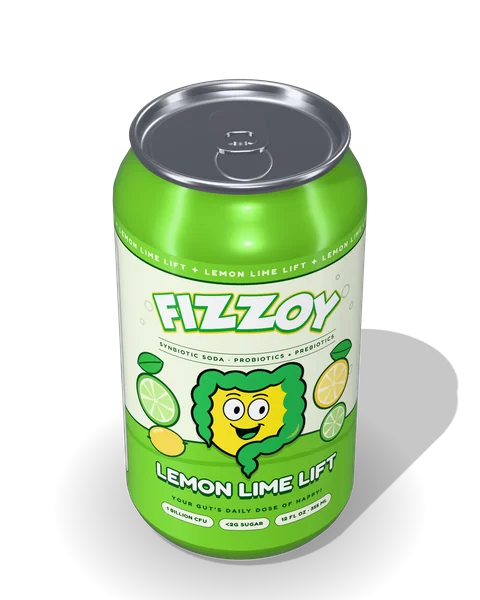
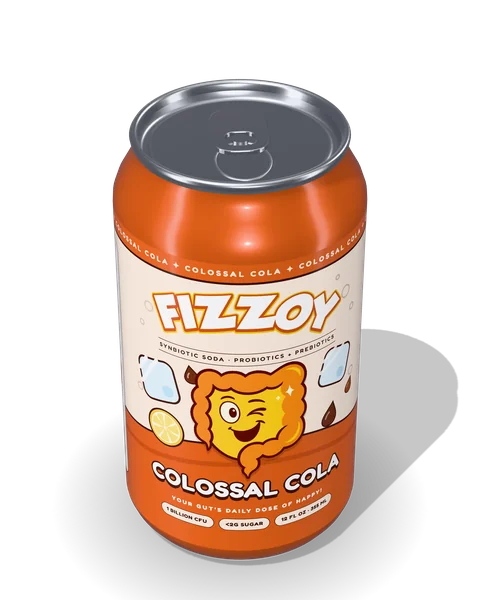
Fizzoy is being developed as the world's first SCO2 microencapsulated synbiotic soda. Its planned formulation is described as 1 billion live probiotics per 355 ml can, 3 g prebiotic fibre, under 2 g sugar and 30 calories. Those product facts do not establish that it changes GLP-1-related symptoms, and it is not on sale yet. For general questions about ingredients and availability, see the FAQ. Discuss supplements or functional drinks with your clinician when you have a medical condition, take several medicines, or have ongoing symptoms.

Setting expectations about gut claims
The digestive system responds to a whole pattern of food, drink, medicines, sleep, activity and health conditions. A product may contain a live culture or a fibre ingredient, but that fact alone cannot predict how a specific person will feel while using a prescription medicine. Researchers also distinguish a plausible mechanism from evidence that a particular intervention leads to a meaningful clinical outcome.
The International Scientific Association for Probiotics and Prebiotics consensus on synbiotics sets scientific definitions and emphasizes the importance of the intended microorganism-substrate combination. It is not evidence that every synbiotic beverage has the same effects, or that a synbiotic can manage medicine-related symptoms. When reading a study or claim, look for the population, strain or product tested, comparison group, outcomes and funding disclosures. A result about one preparation should not automatically be transferred to another drink.
This distinction protects consumers from two opposite mistakes: dismissing every fermented or functional food as meaningless, and regarding a promising ingredient as a proven medicine. An ordinary food or drink can be part of someone's routine without carrying a therapeutic promise. If an online claim says a soda will stop nausea, empty the stomach faster or neutralize a drug's effects, ask for direct, high-quality evidence and bring the question to a clinician.
A calm way to choose what to drink
Start with the basics your prescriber has recommended. Keep water or another tolerated non-alcoholic option available, unless your clinician has set a fluid limit. Choose a comfortable temperature and serving size. If you want to try a different beverage, make one change at a time, rather than adding several new products or supplements together.
A short note can help you see patterns: time of day, approximate amount, carbonation, caffeine or added fibre, what else you ate, and symptoms. This is not a substitute for diagnosis, and it does not need to become a detailed food diary if tracking makes you anxious. The point is simply to share clear observations with your care team when needed.
When comparing products, ask: What is the serving size? What ingredients are present? Is the probiotic strain identified? Is the evidence about this exact product and outcome, or about a different ingredient or population? Are claims carefully worded? A label or a large CFU number cannot answer every question about clinical effects.
Some people prefer still drinks for a while; others find that small amounts of carbonation fit their routine. Neither choice is a measure of discipline or treatment success. Prioritize adequate nutrition and hydration as advised for you, and let comfort, health needs and informed clinical advice guide everyday preferences.
When to speak with your clinician
Contact your prescriber or pharmacist if digestive symptoms persist, worsen, repeatedly return, interfere with drinking or eating, or concern you. Ask for advice before changing the dose, skipping a dose, stopping treatment or adding a medicine or supplement. A general beverage guide cannot account for your diagnosis, dose, other prescriptions or medical history.
Seek prompt medical assessment for severe or persistent abdominal pain, repeated vomiting, inability to keep fluids down, fainting, confusion, very little urination or other signs that may suggest dehydration. If symptoms feel severe or rapidly worsening, use local urgent or emergency care. Do not wait to see whether a soda or supplement changes the situation.

A note from the clinic
Keep questions specific when you contact the clinic: when the symptom began, whether it is changing, what you can keep down, and any recent dose or routine change. Mention other medicines and health conditions as well. Those details help your clinician decide whether you need an adjustment or an examination. A drink choice is only one small part of that discussion.
My advice is to keep beverage choices ordinary and individual. The most useful drink is one that fits your needs, your care plan and your tolerance, not the one with the boldest promise. Semaglutide treatment deserves follow-up with the professional who prescribed it. If you are unsure whether a symptom is expected, ask rather than trying to solve it with a marketing claim.
People also ask
What should I drink while taking semaglutide?
There is no single beverage that suits everyone. Water is a straightforward starting point for hydration; other non-alcoholic drinks can fit if you tolerate them and your clinician has not given you specific restrictions. If nausea, vomiting or reduced intake makes fluids difficult, contact your prescriber rather than relying on a special drink.
Can I drink carbonated beverages on a GLP-1 medicine?
Many people can choose carbonation if it feels comfortable, but some notice fullness, belching or discomfort. The medicine, meal size, drinking speed and individual sensitivity may all matter. Try a small amount only if appropriate for you, and stop if it worsens symptoms. Persistent symptoms deserve a conversation with your care team.
Can drinking more water resolve GLP-1 constipation?
Adequate fluid intake supports normal bowel function, but water alone does not resolve every cause of constipation. Needs differ with health conditions, climate, activity and medicines. Follow your clinician's advice, especially if you have fluid restrictions, and ask for help if constipation is persistent or accompanied by significant pain or vomiting.
Should I avoid all sugar or caffeine during treatment?
Not automatically. The right choice depends on your overall health, preferences, medication plan and personal tolerance. Compare serving size and total sugar on labels, and notice whether caffeine affects your sleep, reflux or comfort. A beverage is not a substitute for the nutrition and medication plan agreed with your clinician.
Can a probiotic or synbiotic soda reduce GLP-1 side effects?
There is not enough evidence to promise that a probiotic or synbiotic soda changes side effects from GLP-1 medicines. Products differ in ingredients and evidence. Treat them as optional foods or drinks, not medical treatment, and ask your prescriber or pharmacist before adding one if you have a relevant condition or concern.
When should I call my prescriber about symptoms?
Contact your care team if symptoms are persistent, worsening, interfere with eating or drinking, or concern you. Severe or ongoing abdominal pain, repeated vomiting, inability to keep fluids down, fainting, or signs of dehydration warrant prompt medical assessment. Do not change or stop a prescribed medicine based only on an article or beverage advice.

About the author
Dr. Chomba Chuma, MD · LinkedIn
Medical doctor with more than 25 years across clinical medicine, the pharmaceutical industry and nutritional science, and the founder of Velobiotics, the South African probiotics company behind ten specialist brands sold in South Africa, the United States and East Africa. Dr. Chuma writes to bridge the gap between laboratory research and everyday health decisions. His articles are educational and do not replace individual medical advice.
Ready to put your gut first?
1 billion live probiotics, 3 g prebiotic fibre, under 2 g sugar.
Questions, answered
What should I drink while taking semaglutide?
There is no single beverage that suits everyone. Water is a straightforward starting point for hydration; other non-alcoholic drinks can fit if you tolerate them and your clinician has not given you specific restrictions. If nausea, vomiting or reduced intake makes fluids difficult, contact your prescriber rather than relying on a special drink.
Can I drink carbonated beverages on a GLP-1 medicine?
Many people can choose carbonation if it feels comfortable, but some notice fullness, belching or discomfort. The medicine, meal size, drinking speed and individual sensitivity may all matter. Try a small amount only if appropriate for you, and stop if it worsens symptoms. Persistent symptoms deserve a conversation with your care team.
Can drinking more water resolve GLP-1 constipation?
Adequate fluid intake supports normal bowel function, but water alone does not resolve every cause of constipation. Needs differ with health conditions, climate, activity and medicines. Follow your clinician's advice, especially if you have fluid restrictions, and ask for help if constipation is persistent or accompanied by significant pain or vomiting.
Should I avoid all sugar or caffeine during treatment?
Not automatically. The right choice depends on your overall health, preferences, medication plan and personal tolerance. Compare serving size and total sugar on labels, and notice whether caffeine affects your sleep, reflux or comfort. A beverage is not a substitute for the nutrition and medication plan agreed with your clinician.
Can a probiotic or synbiotic soda reduce GLP-1 side effects?
There is not enough evidence to promise that a probiotic or synbiotic soda changes side effects from GLP-1 medicines. Products differ in ingredients and evidence. Treat them as optional foods or drinks, not medical treatment, and ask your prescriber or pharmacist before adding one if you have a relevant condition or concern.
When should I call my prescriber about symptoms?
Contact your care team if symptoms are persistent, worsening, interfere with eating or drinking, or concern you. Severe or ongoing abdominal pain, repeated vomiting, inability to keep fluids down, fainting, or signs of dehydration warrant prompt medical assessment. Do not change or stop a prescribed medicine based only on an article or beverage advice.
*These statements have not been evaluated by the Food and Drug Administration. This product is not intended to diagnose, treat, cure or prevent any disease.